
The Next Attempt Shouldn’t Have to Pay for the Last One: learning from failure

In 1979, Steven Spielberg made 1941.
This was after Jaws and Close Encounters of the Third Kind, so he had already reached the point where it probably felt like he could make just about anything work. Then he made a huge World War II comedy with a giant cast, massive sets, explosions, planes, tanks, and pretty much every idea he could fit into it.
People didn’t like it very much. More importantly, Spielberg knew it hadn’t worked the way he wanted it to.
He later talked about how he had started to feel almost immune to failure. Then 1941 showed up and corrected that. His next movie was Raiders of the Lost Ark.
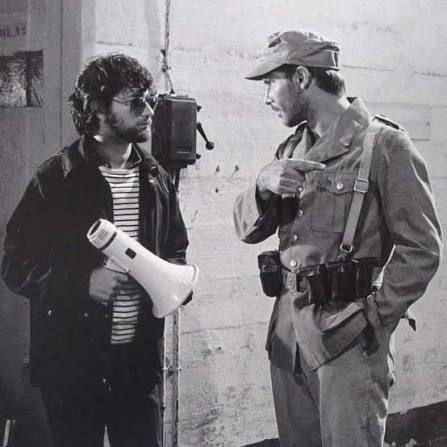
What I like about that story is that Spielberg didn’t pretend the last movie never happened. He didn’t walk into Raiders saying, “Well, that was just bad luck,” and keep doing everything the same way. He planned the movie more carefully. He storyboarded every shot. He paid much closer attention to the schedule and the budget. He even finished filming early. He took the lesson with him.
What he didn’t do was make a small, scared movie. That would have been the other way to react. He could have decided that 1941 proved he had gotten too ambitious. He could have pulled everything back, played it safe, and made something that nobody could criticize because there wasn’t much there to criticize.
I think this is where people get mixed up after something goes badly. We tell ourselves we are learning from the experience, but a lot of the time we are just becoming afraid of repeating it and those are not the same thing.
Learning means you look at what happened and make an adjustment. Fear means you start changing everything, including the parts that were never the problem.
Maybe you pitched an idea and the room went quiet. The next time you have an idea, you start sanding off anything unusual before anyone else can reject it. Maybe you made something you really liked and nobody responded to it. The next thing you make is technically fine, but you don’t care about it nearly as much because caring suddenly feels dangerous. Maybe you had a conversation that went sideways. The next time you talk to someone, you show up tense and defensive, even though this new person had nothing to do with the last one.
You think you are being careful. Really, you are asking the next attempt to protect you from the last attempt. and that is just too much to ask of it. The next project doesn’t know that the last one failed. The next person doesn’t know somebody embarrassed you. The next idea hasn’t had a chance to be good or bad yet.
You are the one bringing all of that into the room.
I do this too. Everybody does.

Something doesn’t work, and I immediately start building a case around it. I knew that was a bad idea. I should have done it differently. People don’t want that. I’m not good at this part. Next time, I’m not going to put myself in that position. Some of those conclusions might contain useful information. Most of them are just the bruise talking.The hard part is figuring out what actually belongs in the next attempt.
Maybe you need a better plan or maybe you rushed the process. Maybe you tried to do too many things at once or you didn’t listen. Maybe the idea really wasn’t very good.
Fine. Take that with you.
What you don’t need to bring is the embarrassment. You don’t need the resentment, the defensiveness, or the running commentary in your head telling you how this is probably going to go. That part doesn’t make you smarter. It just makes you guarded. Being guarded can feel a lot like being experienced because both involve recognizing danger. The difference is that experience helps you make a better choice. Being guarded usually makes the choice for you before you’ve had a chance to think.
Spielberg didn’t leave 1941 behind. He carried it straight into Raiders. You can see the lesson in how he prepared, how he worked, and how he controlled the production. But he didn’t make Raiders pay for what happened. He didn’t strip out the fun because the last movie had too much going on. He didn’t decide spectacle was the enemy. He didn’t stop trusting himself entirely. He took the useful part and left the rest.
That is probably the best any of us can do after something goes wrong. The next attempt should know what you learned. It just shouldn’t have to carry the bruise.
FAQ
How can failure affect the next attempt?
Failure can provide useful information, but it can also make someone guarded. Instead of adjusting the specific thing that went wrong, people may become less ambitious, less open or less willing to take risks the next time.
What is the difference between learning from failure and fearing failure?
Learning from failure leads to a specific adjustment. Fear tends to change everything, including parts of the process that were not responsible for the bad result. A lesson improves the next attempt; fear can prevent it from getting a fair chance.
How do you stop carrying a past failure forward?
Look at the experience as specifically as possible. Identify what actually went wrong and what you would change. Try not to turn one result into a broad conclusion about your ability, your ideas or what will happen in the future.
Should you forget about a failure before trying again?
No. Forgetting the experience would also mean losing the useful information it provided. The goal is to carry the lesson forward without also carrying the embarrassment, resentment or assumption that the next attempt will end the same way.
How did 1941 affect Steven Spielberg’s approach to Raiders of the Lost Ark?
Spielberg has described 1941 as a humbling experience. He approached Raiders of the Lost Ark with tighter preparation and production discipline while continuing to make an ambitious, entertaining film.
Why do people become overly cautious after something goes wrong?
Caution can feel protective. If someone makes the next attempt smaller or less personal, another failure may hurt less. The trade-off is that excessive caution can remove the qualities that made the idea worthwhile in the first place.

Comments